More than 500 non-native species have established populations in Florida, making it the most invaded state in the continental U.S. Some have reduced native wildlife populations by over 90%.
The Scale of the Crisis
500+Non-native species established
$500M+Annual economic damage
99.3%Decline in Everglades mammal sightings (python areas)
#1Most invaded U.S. state for reptiles
Florida's subtropical climate, extensive trade in exotic pets and plants, and network of canals and disturbed habitats make it uniquely vulnerable to biological invasions. Once established, most invasive species are impossible to eradicate entirely — management becomes the only option.
Mammal Population Decline in Python-Colonized Areas
Raccoons
99.3%
Opossums
98.9%
Marsh Rabbits
~100%
White-tailed Deer
85.7%
Bobcats
87.5%
Source: Dorcas et al., PNAS (2012) — Road survey comparisons
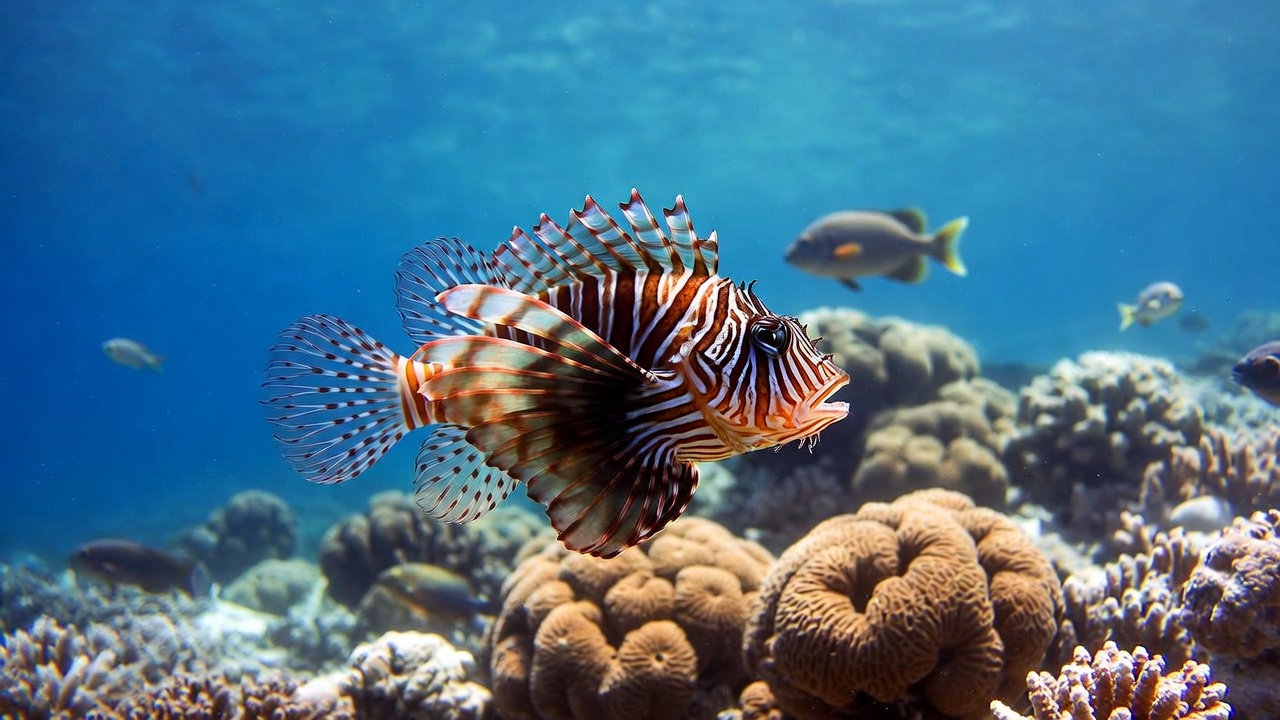
Lionfish Impact on Native Reef Fish
Before Lionfish
100%
After 5 Weeks
21%
Native reef fish populations can decline up to 79% within 5 weeks of lionfish colonization
Annual Invasive Species Management Spending
Hydrilla Control
$20M
Python Removal
$8M
Total Economic Damage
$500M+
We spend a fraction of what invasives cost the Florida economy
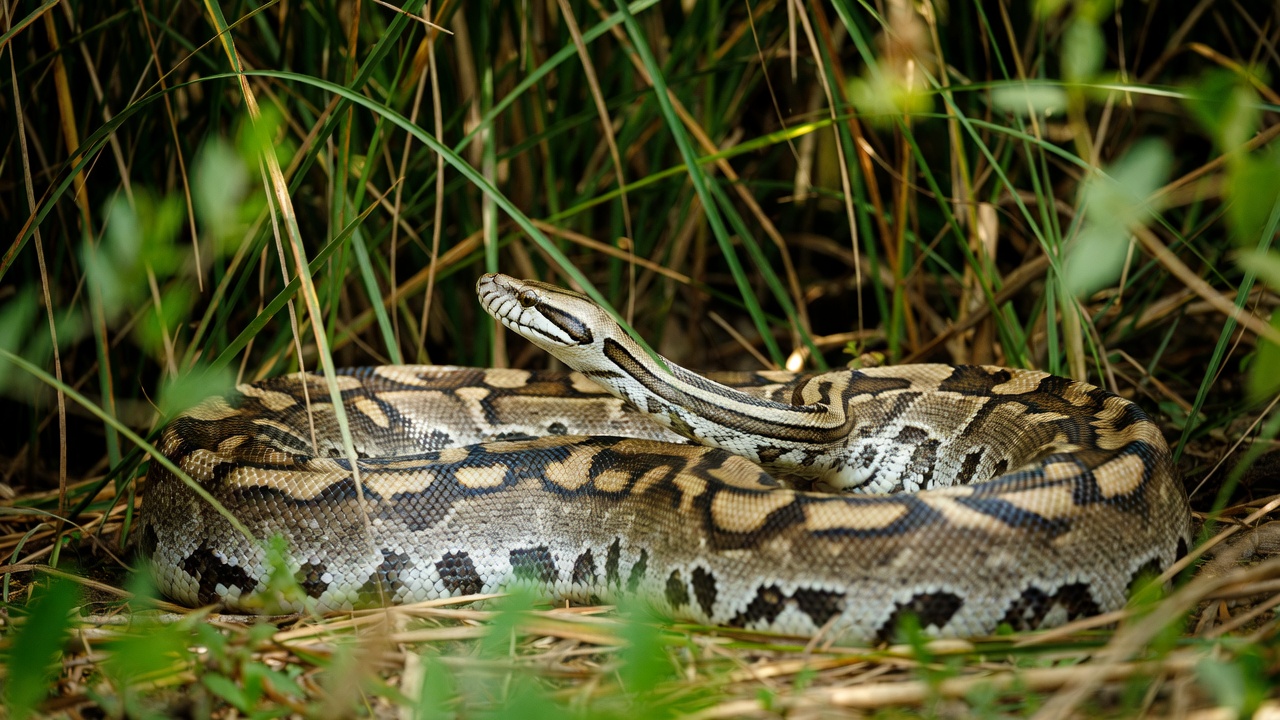
The poster species for Florida's invasion crisis. Released or escaped pet pythons found ideal conditions in the Everglades, where they now number in the tens of thousands. A 2012 study published in Proceedings of the National Academy of Sciences documented catastrophic declines in mammal populations across southern Florida:
Raccoons: 99.3% decline in road surveys
Opossums: 98.9% decline
Marsh rabbits: Effectively absent from python-colonized areas
White-tailed deer and bobcats: Significant population declines
Females can lay 50–100 eggs per clutch. They prey on everything from birds and alligators to endangered Key Largo woodrats. FWC's Python Action Team has removed over 18,000 pythons since 2017, but biologists estimate this barely dents the population.
What You Can Do
If you see a Burmese python, do not attempt to capture it unless you are a trained contractor. Report sightings immediately via the EDDMapS Florida app or call 1-888-IVE-GOT1.
Native to the Indo-Pacific, lionfish were first documented in Florida waters in 1985. With no natural predators, venomous spines, and a reproductive rate of up to 2 million eggs per year per female, they have colonized reefs from North Carolina to Venezuela.
Diet: Over 70 species of native fish and invertebrates, including commercially important snapper and grouper juveniles
Impact: Studies show lionfish reduce native reef fish populations by up to 79% within 5 weeks of colonizing a reef
Depth range: Surface to over 1,000 feet, making deep populations unreachable
Density: Up to 200 per acre on some Florida reefs — far exceeding native predator densities
Florida has organized lionfish derbies and removed size/bag limits — lionfish are one species you're encouraged to harvest as many as possible. They're also excellent to eat: white, flaky, mild-flavored meat.
What You Can Do
Participate in FWC lionfish removal programs. Divers can harvest lionfish with pole spears (no permit needed). Eat lionfish — creating market demand supports removal efforts.
Hydrilla (Hydrilla verticillata)
This submerged aquatic plant from Asia is the most problematic invasive plant in Florida's freshwater systems. It grows up to an inch per day, forming dense underwater mats that choke waterways and displace native vegetation.
Impact: Clogs water intake pipes, impedes navigation, degrades fish habitat, and reduces dissolved oxygen
Resilience: Reproduces from fragments as small as 1 inch — boat trailers and propellers spread it between lakes
Management cost: Florida spends over $20 million annually on hydrilla control across 140+ public water bodies
Spread prevention: It persists via tubers that can remain dormant in sediment for over 4 years
What You Can Do
Clean, Drain, Dry your boat, trailer, and gear every time you move between water bodies. Even a small fragment can start a new infestation. Report new infestations to your local FWC office.
Blue Tilapia (Oreochromis aureus)
Originally introduced for aquaculture and aquatic weed control, blue tilapia now inhabit virtually every freshwater system in Florida. They displace native fish through aggressive nest-site competition and alter aquatic ecosystems by their intensive bottom-feeding behavior.
Competition: Outcompete native sunfish and bass for nesting sites during spawning season
Ecosystem engineering: Their feeding stirs up sediment, reducing water clarity and uprooting native vegetation
Cold tolerance: Unlike many tropical invasives, blue tilapia survive in water as cold as 46°F, enabling them to colonize northern Florida waters
Island Apple Snail (Pomacea maculata)
These grapefruit-sized snails — the largest freshwater snails in North America — were introduced through the aquarium trade. They consume massive quantities of native aquatic vegetation and compete with Florida's native apple snail, the primary food source for the endangered Snail Kite.
Reproduction: Each female lays 2,000+ eggs per clutch in bright pink egg masses above the waterline
Ecological cascade: By displacing native apple snails, they threaten the survival of the Everglade Snail Kite, which depends on the native species
Identification: Much larger than native apple snails, with a more globular shell. Pink egg masses on vegetation and structures above water are diagnostic