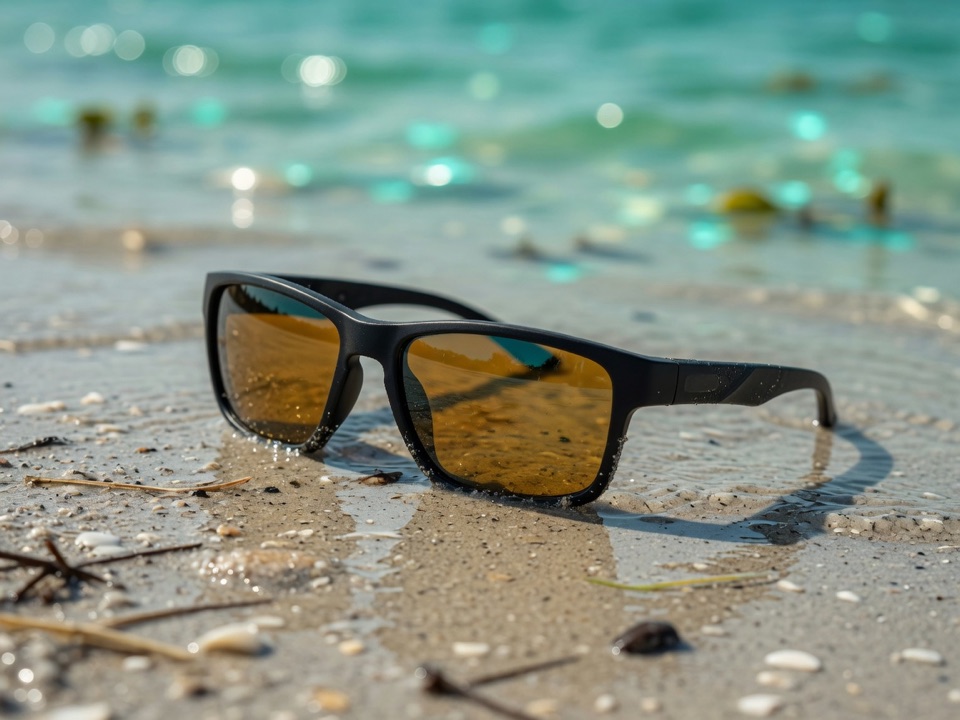
Best Polarized Sunglasses for Fishing
In Florida's clear springs, sight-fishing flats, and blinding Gulf surf, polarized sunglasses aren't optional — they're the difference between seeing fish and guessing where they are. The right lens color lets you see into the water like the surface isn't there.
Why Polarized Sunglasses Are Essential for Florida Fishing
Florida's sun is intense — and its waters are diverse. Crystal-clear spring runs at 72°F year-round, tannin-dark blackwater rivers, shallow inshore flats with perfect sight-fishing conditions, and glaring offshore blue water that will blind you within minutes without proper eye protection.
Polarized lenses work by filtering horizontally polarized light — the wavelengths that create glare off flat water surfaces. The result: you see through the water surface instead of off it. At Florida's famous sight-fishing flats (Mosquito Lagoon, Tampa Bay, the Keys), the difference between polarized and non-polarized is the difference between seeing a 30-lb tarpon gliding 40 feet ahead of your cast and never knowing it was there.
Beyond fishing performance, UV protection matters. Florida sun exposure during long days on the water without proper UV400 lenses contributes significantly to macular degeneration and cataracts over time. Quality fishing sunglasses are as much a long-term health investment as a fishing advantage.
Lens Colors — Which to Choose
Amber / Copper / Brown
Enhances contrast and depth perception in shallow water. Makes the grass beds, fish, and bottom contours pop against each other. Works well in partly cloudy conditions — not too dark to lose color in overcast, not too light to cause squinting in full sun.
Best for: Flats fishing, freshwater bass, springs, inshore saltwater — 80% of Florida fishing situations.
Gray / Smoke
True neutral — reduces total light without altering color. Keeps everything looking natural, which is better for offshore where you're reading the sky, horizon, and water color for signs of bait and birds. Less eye fatigue on full-sun 8-hour offshore days.
Best for: Offshore bluewater, surf fishing, any situation with intense all-day direct sun.
Green / Vermilion
Splits the difference between amber and gray. Good contrast enhancement while maintaining relatively accurate color representation. Some anglers prefer green for mixed days — partly cloudy inshore sessions that may turn bright offshore. Less specialized than amber or gray but flexible.
Best for: Versatile anglers who fish both inshore and offshore, mixed-light conditions.
Yellow / Light Amber
Brightens and enhances contrast in dim conditions — dawn fishing, overcast skies, or tannin-dark river water. Not suitable for bright direct sun (insufficient light reduction). Many anglers keep yellow lenses as their dawn pair.
Best for: Dawn fishing, night fishing, overcast days, dark-water rivers like the Suwannee.
Blue Mirror
Mirror coating over a gray or green base. The mirror reflects additional surface light in the most intense sun conditions — offshore Gulf and Atlantic where reflection off the water is brutal. Looks cool, but the base lens color underneath still determines the tint characteristics.
Best for: Offshore, tarpon fishing in intense sun, aesthetic preference.
Photochromic (Transition)
Lightens and darkens automatically based on UV exposure. Great for guides who are on the water from pre-dawn through peak afternoon sun without stopping to swap glasses. Costa, Oakley, and Costa offer photochromic polarized options. More expensive but eliminates the need for two pairs.
Best for: Guides, all-day anglers who don't want to carry two pairs, mixed dawn-to-dusk conditions.
Budget Polarized Sunglasses — Under $60
Budget fishing sunglasses have improved enormously. Modern injection-molded polarized lenses are genuinely effective for most fishing situations. You sacrifice optical clarity and durability vs. premium glass lenses — but the polarization works.
KastKing Hiwassee Polarized
KastKing makes fishing-specific gear at dramatically lower prices than the premium brands. The Hiwassee's TAC polarized lenses aren't as optically sharp as glass, but they cut glare effectively and the polarization is solid. The TR90 frame is surprisingly comfortable and flexible — it won't crack in Florida's heat the way cheaper plastic frames do.
UV400 protection is confirmed, which is the important health marker. These are ideal as backup glasses, kayak glasses (where you don't want to sweat $200 if they end up in the river), or your first pair of fishing-specific polarized sunglasses.
Verdict: Excellent first fishing sunglass. Serviceable polarization, UV protection, and fishing-oriented fit at a price you won't worry about losing overboard.
Oakley SI Ballistic M Frame 3.0
Oakley's military/industrial line occasionally hits this price range via deals. Oakley's Plutonite lens material is genuinely superior to injection-molded TAC — better optical clarity, high impact resistance, and true UV protection. The M Frame design wraps well and stays in place during active fishing. Check that you're buying the polarized variant (not all listings are).
Best for: Buyers who want real Oakley optics without the $150+ price tag of Prizm fishing versions.
Flying Fisherman Buchanan Polarized
Flying Fisherman specializes exclusively in fishing sunglasses and it shows. The Buchanan's FloatEyes feature — hollow frame chambers that keep the glasses afloat if dropped overboard — is genuinely useful on Florida kayaks and small boats. At this price point with solid polarization and the float feature, they're a smart buy for anyone who's ever watched a pair of glasses sink in a Florida spring.
Mid-Range Polarized Sunglasses — $60 to $150
The sweet spot. Glass lenses or high-end polycarbonate, premium frames, and fishing-tuned lens tints start appearing here. These are the glasses that most serious Florida anglers buy and keep for 3–5 years.
Oakley Flak 2.0 XL Prizm Shallow Water
Oakley's Prizm Shallow Water lens is specifically engineered to enhance what anglers need to see in freshwater and inshore saltwater — the contrast between fish and bottom, between structure and open water. It emphasizes the blue-green wavelengths reflected off bottom structure while enhancing the contrast of dark fish shapes. The result: you see fish earlier and more clearly than with a standard amber lens.
The Flak 2.0 XL frame wraps aggressively, blocking side light that can compromise your view in low-angle morning and evening sun. The O-Matter frame grips with moisture — it won't slide off your face during an active fight or a surf wade. At 34g it's comfortable for all-day wear.
We tested these at Mosquito Lagoon sight-fishing for redfish and at Lake Toho for bass — the Prizm lens consistently showed us fish 5–10 feet earlier than the amber glass lenses we compared against. The technology is real, not marketing.
Verdict: The best fishing sunglass in the $100–$150 range for Florida inshore and freshwater. Worth every penny if you sight-fish regularly.
Maui Jim Wiki Wiki
Maui Jim's PolarizedPlus2 glass technology has three layers of color-enhancing filters built into the lens itself — not just a polarizing film. The HTO (High Transmission Optics) amber lens is their fishing-tuned version and it's spectacular for Florida's varied conditions. Glass lenses offer sharper optical clarity than any polycarbonate option at this price — the difference is visible, especially in detailed sight fishing scenarios.
The Wiki Wiki's semi-rimless frame is lighter than most wrap-around designs and comfortable for extended wear. Maui Jim's customer service and warranty are excellent — they'll replace or refinish lenses that develop scratches or coating issues.
Best for: Anglers who want the optical quality of glass without Costa Del Mar prices. Maui Jim competes directly with Costa at slightly lower price points.
Smith Guide's Choice
The Guide's Choice is designed for and named after the people who live on the water — fishing guides, outdoor professionals, and anyone who fishes 200+ days per year. The massive frame provides full-coverage light blocking, including overhead sun hitting the top of the lens. Smith's ChromaPop lens technology enhances natural color without the obvious color shift of amber lenses — fish look like fish, water looks like water, just everything is more defined.
The megol temple grippers keep these on your head during surf wading, kayak rolls, and active saltwater fishing where standard rubber temple tips would slide. Extremely comfortable for all-day guide trips in Florida's summer heat.
Fit & Frame Guide
Wrap-Around / Sport Frame
Curves around the face to block peripheral light and prevent side glare. Essential for sight fishing — you don't want light leaking around the frame at 7am when the sun is low and sideways. Best for: flats fishing, active fishing, rough-water offshore.
Look for: 6-8 base curvature for maximum side coverage.
Large vs. Medium Coverage
Larger lens area = better light blocking, especially from above and below. Florida's flat-water glare comes from every angle — under-brim reflection off the water hits lenses from below. Larger frames minimize this. Guides almost universally wear large-coverage frames.
Temple Grip Material
Look for rubberized or megol temple grippers. In Florida heat and humidity you'll sweat constantly — rubber grips keep glasses in place during the fight, wade fishing, and pushing through mangrove tunnels. Standard plastic tips slide off constantly.
Fit with a Hat
Most serious Florida anglers wear a wide-brim hat and sunglasses together. Make sure your frame's temple arms are thin enough to fit under a hat without the hat pushing the glasses down onto your nose. Test with your actual fishing hat before committing.
Sunglass Care for Florida Conditions
🧴 Rinse After Every Saltwater Day
Saltwater crystallizes on lenses and frames and slowly etches the coating over time. Rinse with fresh water after every saltwater trip. Don't use wiping cloths on salt-covered lenses — you'll scratch the coating. Rinse first, then wipe gently with a microfiber cloth.
🕶 Never Use Paper Products on Lenses
Paper towels, shirt fabric, and tissues all contain wood fibers that scratch lens coatings. Always use the microfiber cloth that came with your sunglasses, or a dedicated lens cleaning cloth. In the field, a light rinse and air dry beats any wiping option.
☀️ Store Out of Direct Sun
Florida sun will warp plastic frames and degrade rubber nose pieces and temple grips if glasses are left in a hot car or on a boat seat for hours. Keep glasses in a hard case or sun-facing storage when not wearing them. Dashboard storage = warped frame in one Florida summer.
🧊 Use Leashes on Kayaks and Small Boats
A sunglass leash is a $5 insurance policy for a $200 pair of glasses. Required gear for kayak fishing over deep water or for anyone prone to leaning over the gunwale. Flying Fisherman's FloatEyes frames float — other brands sink immediately.
🔍 Annual Lens Inspection
Inspect lenses annually for delamination, coating bubbles, or scratch build-up that affects vision. Most premium brands (Costa, Oakley, Maui Jim) offer lens replacement or refinishing services at a fraction of new-glass cost. Worth doing every 3–4 years rather than buying a new pair.
Product links are Amazon affiliate links. As an Amazon Associate, we earn from qualifying purchases — at no extra cost to you. Learn more →